Insights & Analysis
Tips, strategies, and deep dives into chess improvement with AI-powered analysis.
 Feature
d
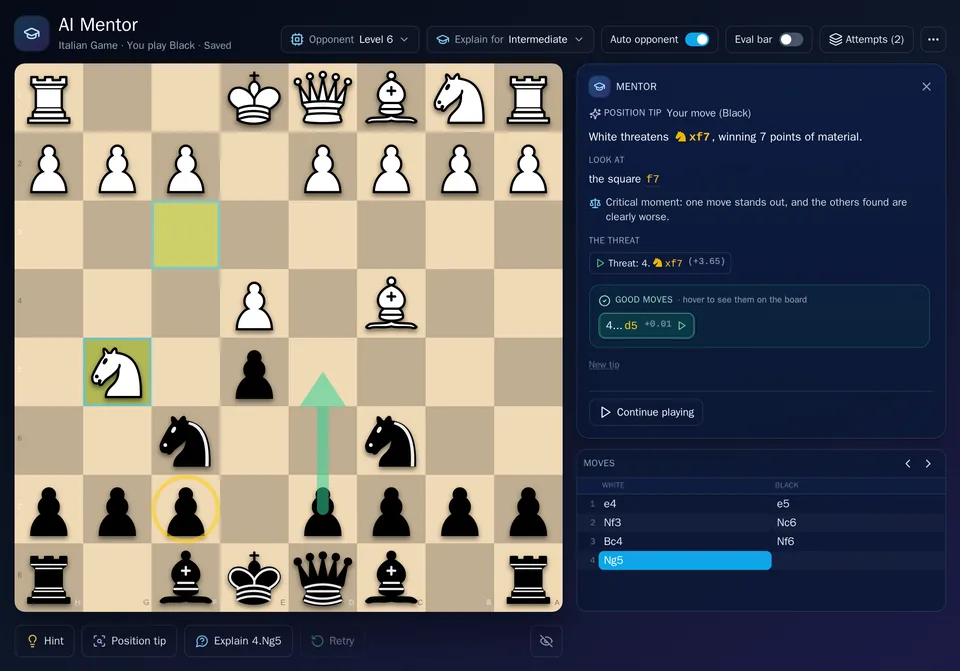
AI Chess Coach: Learn by Playing, With Help When You Ask
Play Stockfish at your level with the AI Mentor beside the board. Ask for a hint or a position tip when you're stuck, ask why any move worked or failed, then go back and try the moment again.
Latest Articles
 Feature
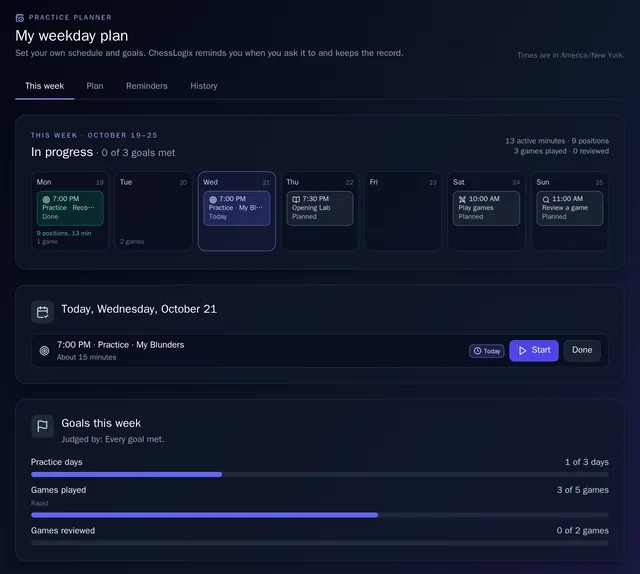
Chess Practice Plan: A Weekly Routine You Fully Control
Set your own practice days, sessions, goals and reminders with the Practice Planner. Change, pause or switch off any of it, and keep a record with no streaks to lose.
 Feature
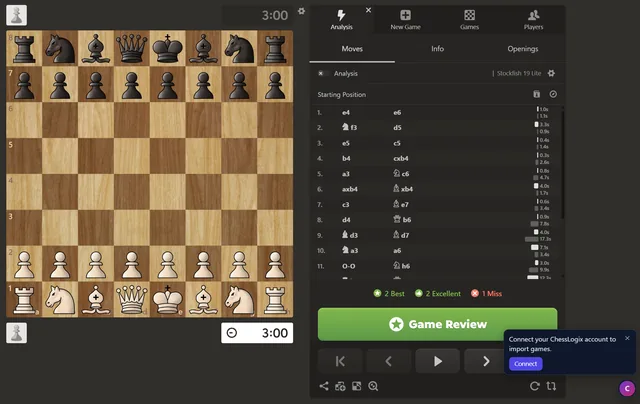
Free Chess Game Review Extension for Chess.com and Lichess
Review any finished Chess.com or Lichess game in one click. A small icon on the game page opens a free, unlimited Stockfish engine review or the full ChessLogix deep analysis, and saves the game to your library on the way.
 Release
What's New in ChessLogix 2.0.1
Two new modules — Opening Lab and Skill Compass — a rebuilt training loop that draws from both, a Progress page that states how strong its own evidence is, and the change underneath all of it: the learning platform is now free, with no game limit.
 Feature
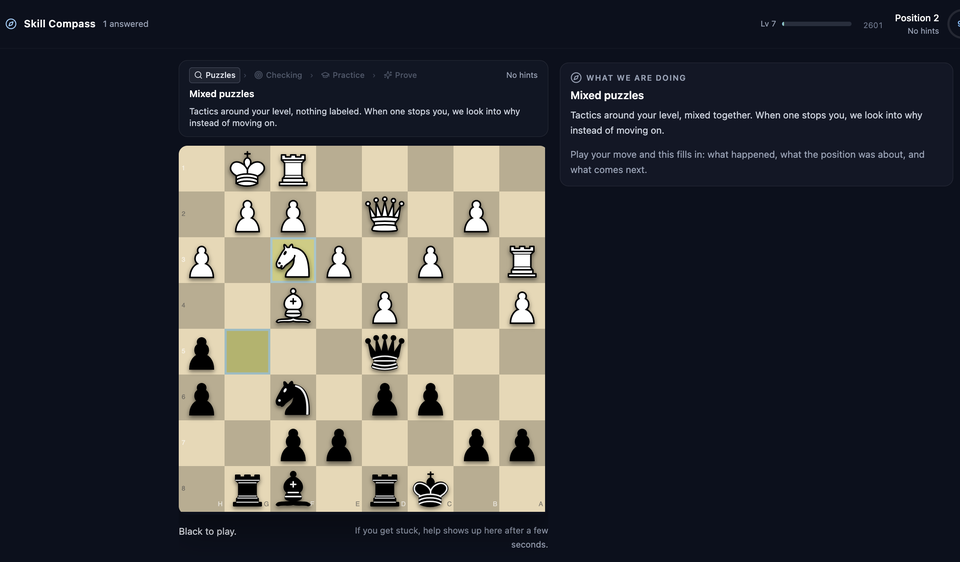
Skill Compass: The Tactics Trainer That Works Out Why You Missed It
A puzzle feed answers a miss by lowering the rating. Skill Compass answers it with a question — which part of the idea actually broke? — then builds a short practice ladder around that one thing and checks you can solve a fresh position unaided.
 Feature
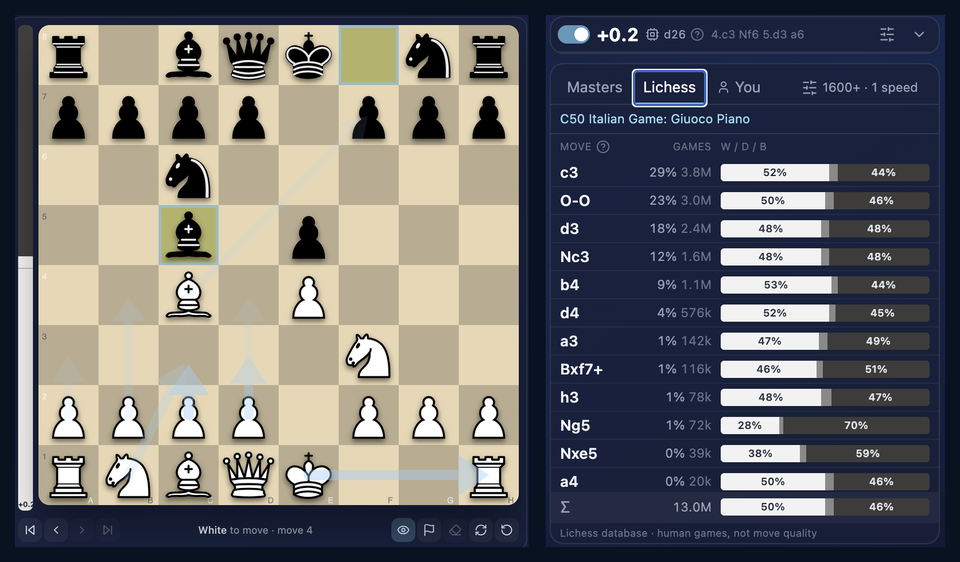
Opening Lab: Find the Exact Branch Where Your Results Drop
"You score badly in the Italian" is not something you can act on — the Italian is a tree, and your record is never uniform across it. Opening Lab follows your own games down the branches until it reaches the move where your score separates, then finds a practical answer for your rating and time control.
 Improvement
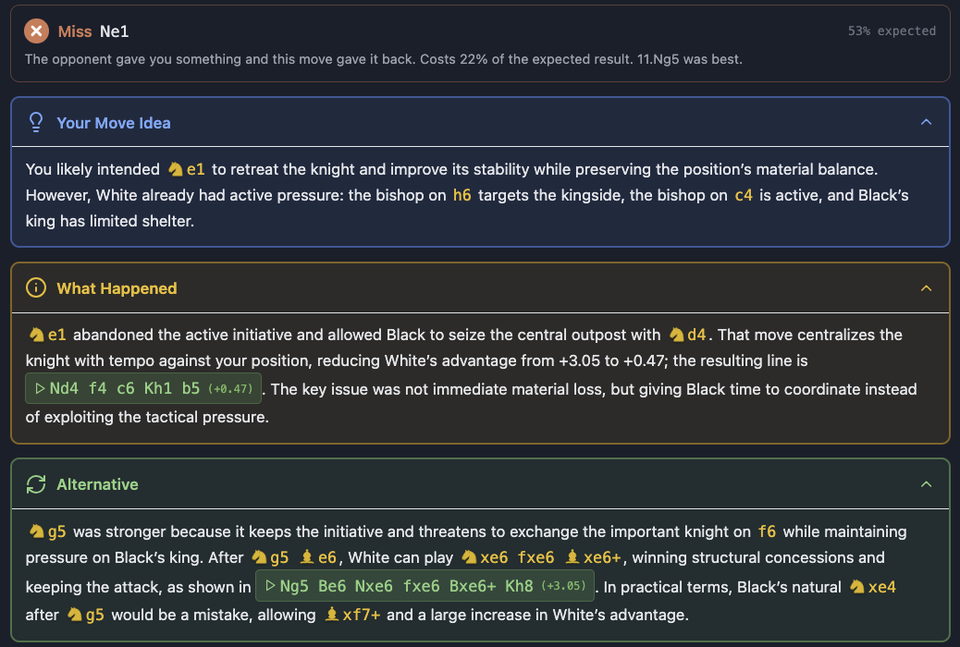
Common Chess Mistakes at 1200 Rating (And How to Fix Them)
The most frequent chess mistakes around 1200 rating — from unchecked one-move threats to aimless middlegame play — and a prioritized fix list you can start working through today.
 Improvement
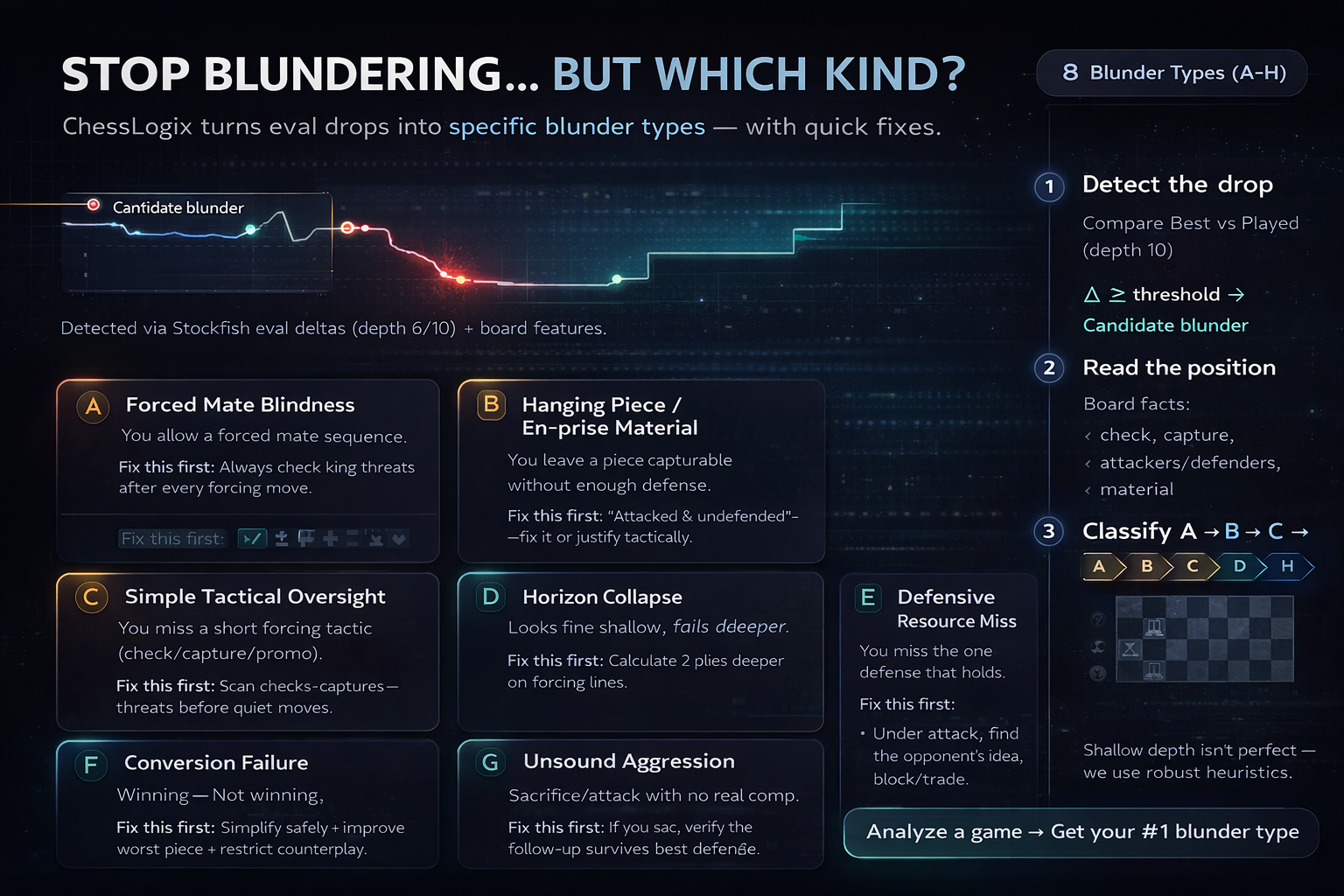
Why Do I Blunder in Chess? The Real Reasons
Blunders aren't random. They're the visible symptoms of 6 specific, identifiable weaknesses in your thinking process — from threat blindness to winning-position anxiety. Each cause requires a different fix.
 Analysis
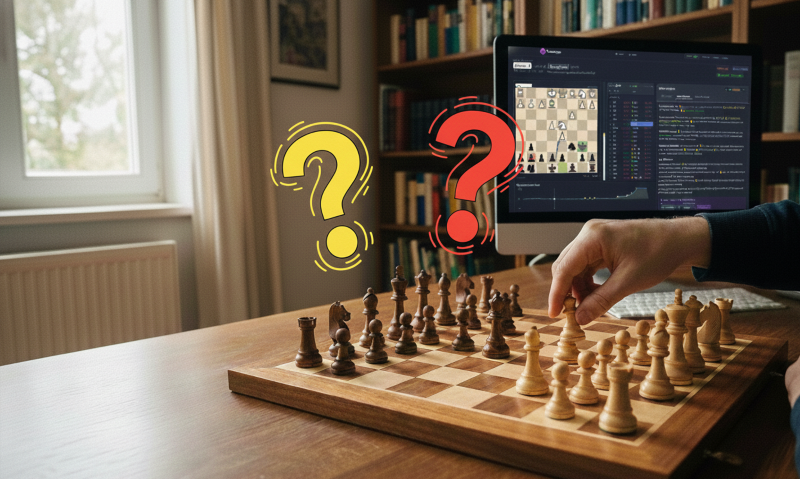
What Is AI Chess Analysis? Beyond Raw Engine Lines
Engines tell you the best move but not why yours was bad. AI chess analysis bridges that gap — combining engine accuracy with coaching-style explanations that actually help you improve.
Analysis
How to Analyze Chess Games Step by Step
A concrete, repeatable 5-step workflow for post-game analysis — from unaided review to building a personal training plan. Turn every game you play into a focused improvement session.
 Feature
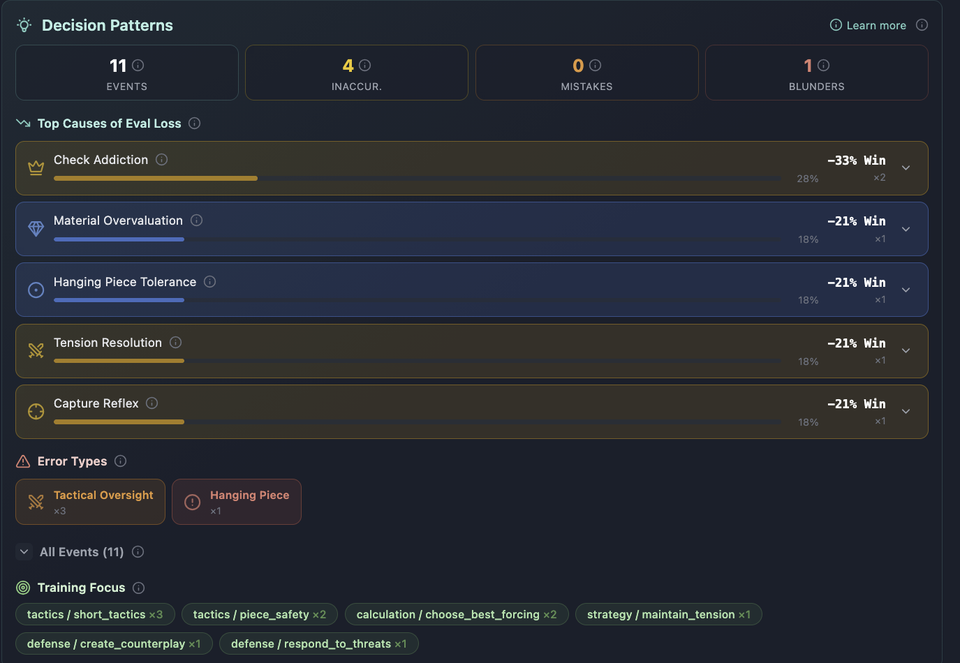
Decision Patterns: AI Coaching That Tells You Exactly Why You Lost
Decision Patterns turn the eval swings in your games into 16 named, improvable habits — each with a one-line fix. Here is the full catalog, what triggers each one, and how it connects to move-level explanation and Meta-Coach.
Improvement
Stop Blundering: The 8 Types of Chess Blunders (And How to Fix Each One)
"Stop blundering" is correct advice — but useless without precision. We analyzed 50,000 Lichess games to identify 8 distinct blunder types and which ones dominate at every rating level from 1000 to 2000.
Analysis
Stop Guessing at Your Mistakes: Meet ChessLogix
Engines are brutally strong, but they're terrible teachers. A cold +3.7 doesn't tell you why your move is bad, what habit led you there, or what pattern you keep repeating. ChessLogix closes that gap with AI-powered explanations.
 Feature
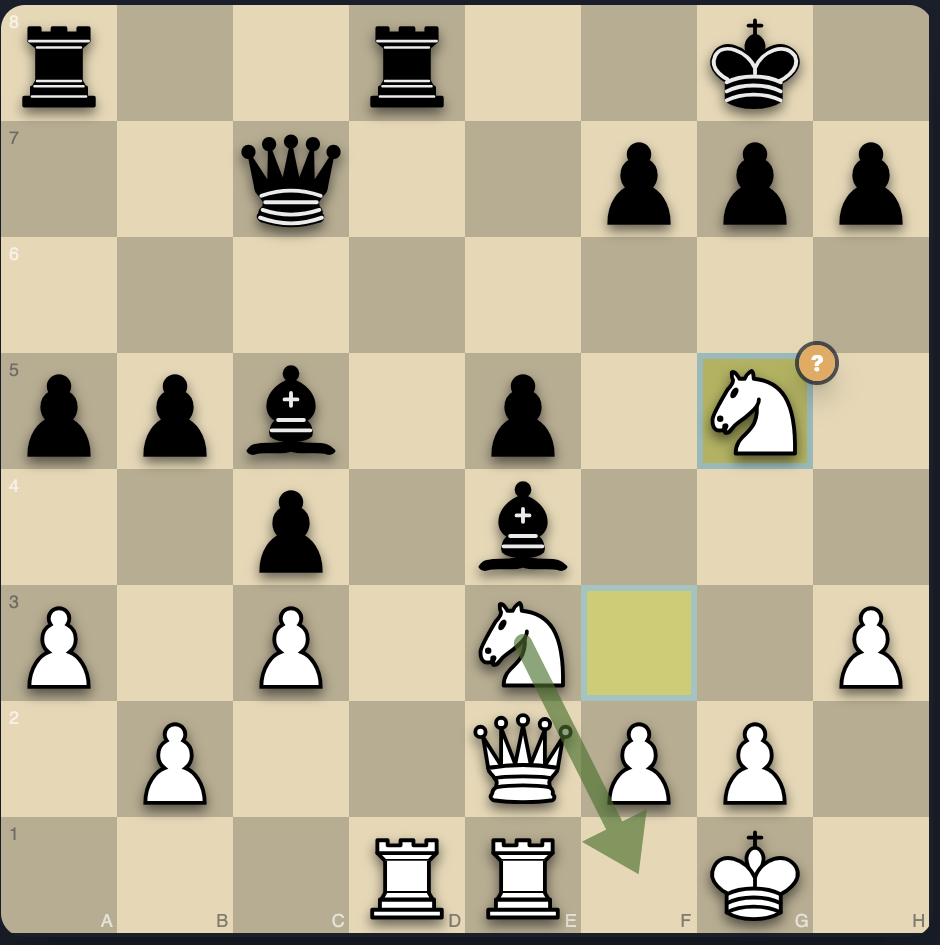
Share Your Analysis: Introducing Embeddable Game Viewers
Now you can share your ChessLogix game analysis with anyone—embed interactive chess viewers directly in your blog posts, Discord servers, or anywhere you discuss your games.